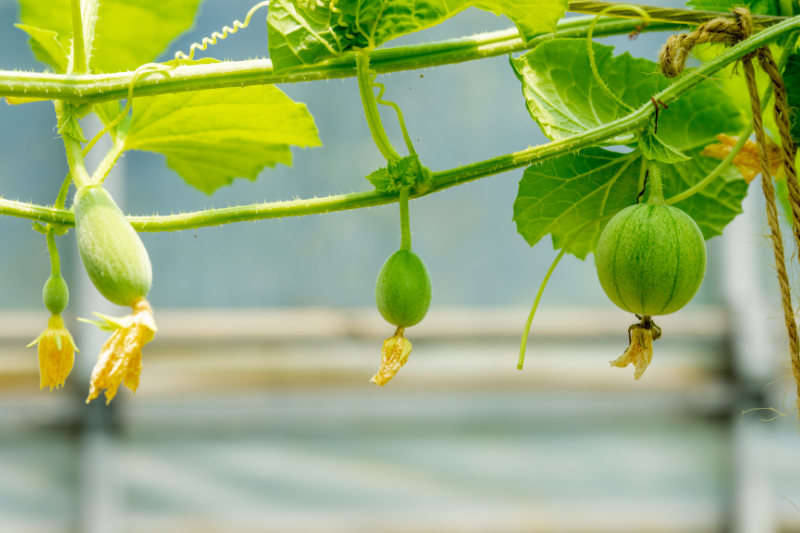
In recent years, Southeast Asia has witnessed a shift in agricultural practices—one that focuses on quality over quantity. Premium fruit farming is not just a trend; it is a movement redefining how the region grows, markets, and consumes tropical produce. As demand for high-quality, nutrient-rich fruits grows locally and globally, farmers and agri-entrepreneurs are rethinking traditional farming methods to meet this rising expectation.
What Is Premium Fruit Farming?
Premium fruit farming emphasizes:
- Superior taste, texture, and appearance
- Controlled and sustainable growing environments
- Higher nutritional value and longer shelf life
- Minimal use of pesticides and chemicals
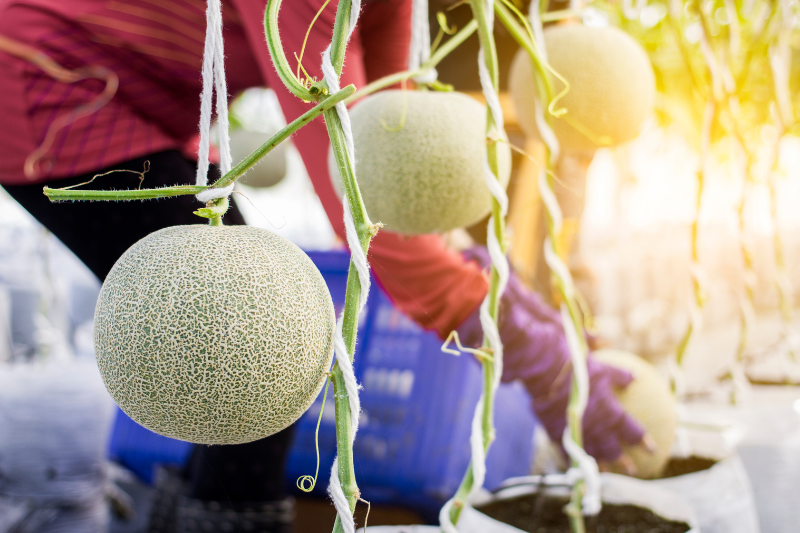
It often involves advanced methods like polybag cultivation, greenhouse farming, precision irrigation, and climate-controlled systems to ensure consistent quality.
Why Southeast Asia?
Southeast Asia, with its fertile soil, tropical climate, and year-round growing seasons, is perfectly suited for fruit farming. Countries like Malaysia, Thailand, Vietnam, and the Philippines are now leveraging modern agricultural practices to grow high-value fruits that meet international standards.
Key factors contributing to the rise:
- Favorable growing conditions for tropical fruits
- Increasing export demand for exotic, premium-quality produce
- Government incentives and agricultural innovation programs
- Rising health-conscious consumer base
Popular Premium Fruits in the Region
Some fruits leading the premium category include:
- Musang King Durian – Revered for its rich flavor and creamy texture
- Earl’s Mulan Melon – A sweet, nutrient-rich hybrid grown in controlled environments
- Thai Mangoes – Known globally for their vibrant flavor and texture
- Red-flesh Dragon Fruit – Popular in both local and international markets
- Papayas and Pineapples – Grown using eco-friendly techniques to ensure premium quality
Benefits of Premium Fruit Farming
Premium fruit farming offers multiple advantages to farmers, consumers, and the environment:
- Higher market prices and better profit margins
- Better quality control and disease resistance
- Lower environmental impact through smart farming practices
- Healthier produce for end consumers
Challenges to Overcome
Despite its potential, premium fruit farming comes with challenges:
- High initial investment in infrastructure
- Need for technical expertise and skilled labor
- Market competition and certification requirements
- Climate change and extreme weather risks
The Future Outlook
The premium fruit industry in Southeast Asia is expected to grow steadily as consumers become more health-conscious and environmentally aware. With continued investments in agri-tech and sustainable practices, the region is well-positioned to become a global hub for top-quality tropical fruits.