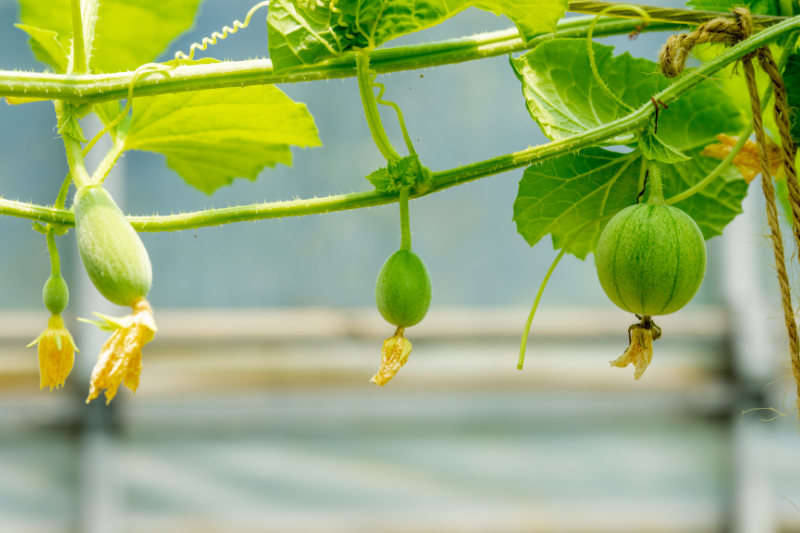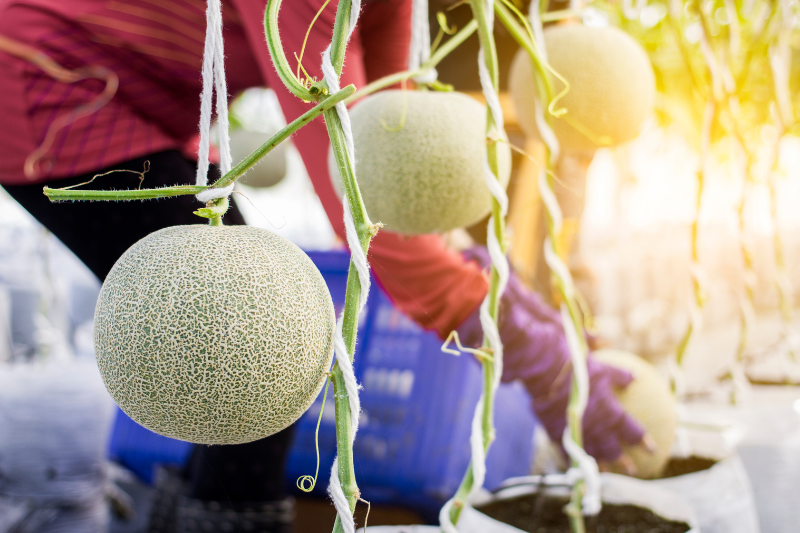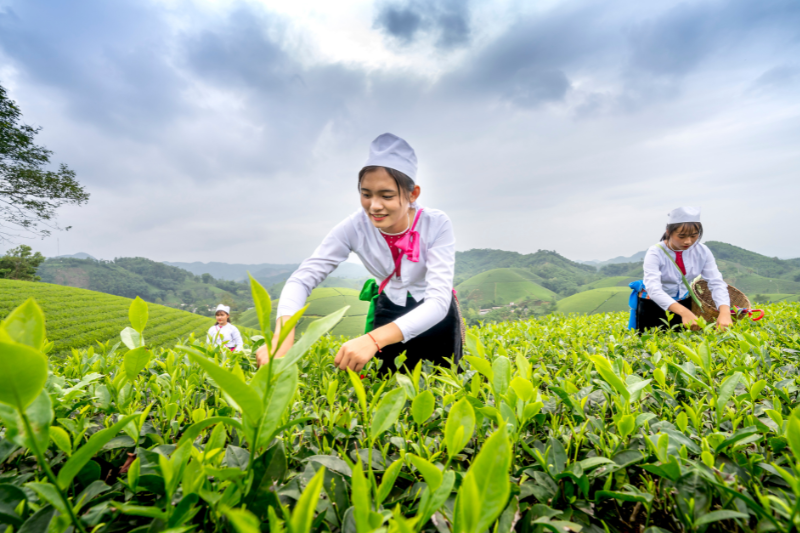

High-value crop farming is rapidly gaining traction among modern farmers and agricultural enthusiasts looking to maximize profits while making efficient use of land and resources. Unlike traditional staple crops such as rice, wheat, or corn, high-value crops are grown specifically for their superior market value. These include fruits like strawberries, melons, and grapes; vegetables such as bell peppers and asparagus; and even herbs, spices, and medicinal plants. With the right approach, growing high-value crops can be a highly rewarding venture for both small-scale and commercial growers.
For beginners, understanding what makes a crop “high-value” is essential. These crops are typically in demand either because of their taste, nutritional benefits, aesthetic appeal, or use in niche markets such as organic foods, health supplements, or export goods. Because they fetch a higher price per unit compared to bulk crops, even small plots of land can be transformed into profitable agricultural enterprises with proper planning and care.
Starting out with high-value crop farming requires careful research and planning. It’s important to assess your local climate, soil conditions, and water availability, as these factors determine which crops are most suitable. Equally important is understanding market demand—what sells well in your area, and what might have potential in nearby urban or export markets. Visiting local markets, talking to buyers, or exploring wholesale and direct-to-consumer channels can offer valuable insights.
Investment in quality seeds or seedlings, good soil management practices, and efficient irrigation systems can significantly improve outcomes. Many farmers also turn to modern techniques such as polybag cultivation, greenhouse farming, vertical gardens, and hydroponics to optimize yields and maintain consistent quality. These methods not only enhance productivity but also help protect crops from pests and climate-related stress.
However, growing high-value crops also means dealing with greater risks. They often require more attention, labor, and technical knowledge. Crops can be sensitive to changes in environment and are more susceptible to diseases if not managed properly. Therefore, continuous learning, possibly through workshops, agricultural extension services, or mentorship from experienced farmers, is highly recommended.
As you gain experience, experimenting with different crop varieties and farming methods can help identify the best fit for your land and market. Tracking production costs, yields, and sales will enable better decision-making and greater profitability over time. Building relationships with buyers and staying updated on market trends can open doors to new opportunities and premium pricing for your harvest.